






Rising tensions between the United States and Iran are shaking oil markets and threatening global economic stability.
U.S. President Donald Trump approved military action against Iran, citing security threats and nuclear concerns. Iran has reportedly responded by targeting U.S. interests across the Gulf, raising fears of wider regional escalation.
Oil markets reacted immediately. Brent crude climbed to $72.87 per barrel, with analysts warning prices could exceed $100 if supply disruptions worsen. Iran produces about 1.5 million barrels daily, while Gulf states under threat collectively produce roughly 18 million. Any closure of the Strait of Hormuz — a key global oil route — would trigger a major supply shock.
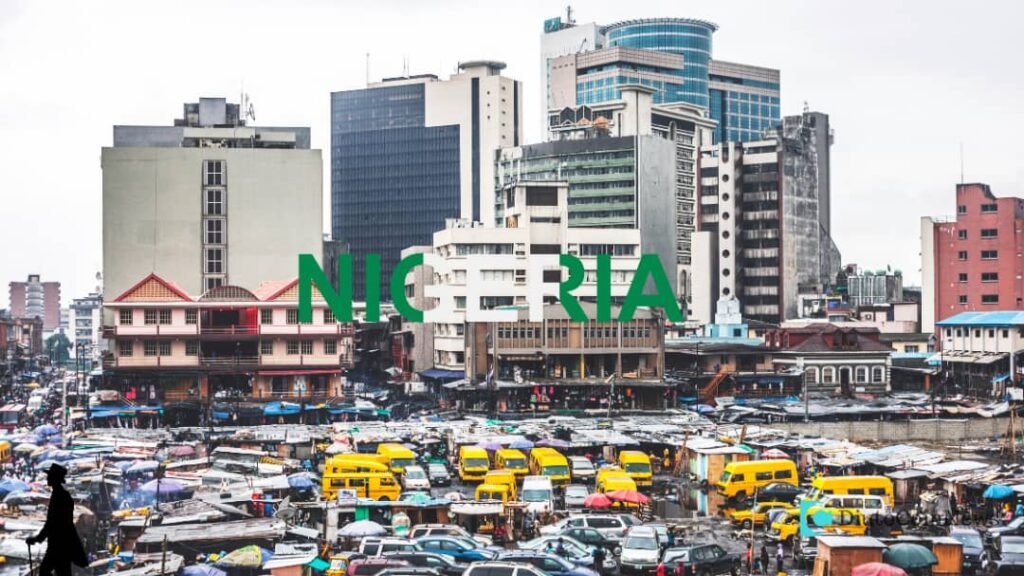
For Nigeria, higher oil prices could boost revenues if production increases. However, risks include rising fuel prices, inflation, supply chain disruptions, and weaker foreign investment flows. Nigeria may benefit from elevated crude prices, but prolonged conflict could create broader economic instability and capital flight.
Discover more from DiutoCoinNews
Subscribe to get the latest posts sent to your email.